
Services
At Leo Healthcare, we offer advanced, personalised care for brain and spinal injuries.
Personalised Recruitment
- Individual Needs Assessment: Conduct a detailed assessment of the client’s specific needs, preferences, and requirements with the help of their dedicated team to create a tailored job description for the support workers.
- Collaborative Recruitment Process: Involve the client’s team in the recruitment process, from shortlisting candidates to conducting interviews, ensuring that the chosen support workers are a good fit for the client’s unique situation and personality.
- Skill and Compatibility Matching: Screen candidates based on their skills, experience, and compatibility with the client’s needs, and present a shortlist of potential support workers to the client’s team for their input and final approval.
- Profile Sharing and Review: Compile detailed profiles of shortlisted candidates, including their qualifications, experience, and personal attributes, and share these profiles with the client’s team. This allows the team to review and provide feedback before arranging meetings between the client and potential support workers.
Clinical Assessment
- Comprehensive Medical History: Gather detailed medical history including prior injuries, surgeries, pre-existing conditions, and current medications to understand the baseline health status and potential complications.
- Neurological Examination: Conduct a thorough neurological assessment covering motor skills, sensory perception, reflexes, coordination, and cognitive functions to identify deficits and affected areas.
- Functional Assessment: Evaluate the client’s ability to perform daily activities, mobility, and independence level, including using standardized functional scales like the Glasgow Coma Scale or the ASIA Impairment Scale.
- Psychosocial Evaluation: Assess the psychological and emotional well-being, support systems, and coping mechanisms, considering the impact of the injury on the client’s mental health and social interactions.
Clinical Care Planning
- Detailed Injury Assessment: Evaluate the specific injury, understanding its severity, impact on daily activities, and any related medical history.
- Client Goal Setting: Discuss with the client their personal recovery goals, such as regaining mobility, reducing pain, or returning to a specific activity.
- Personalised Treatment Plan: Design targeted interventions, like specific physiotherapy exercises or pain management strategies, tailored to the client’s injury and recovery goals.
- Regular Progress Review: Continuously monitor the client’s progress, adjusting the care plan as needed based on their recovery and feedback.
- Addressing Clinical Needs: Ensure the care plan includes necessary clinical treatments, such as medication management, surgical follow-ups, or referrals to specialists, to support overall recovery.
Daily Living Assistance
- Personal Care: Assistance with bathing, dressing, toileting, and other personal hygiene tasks.
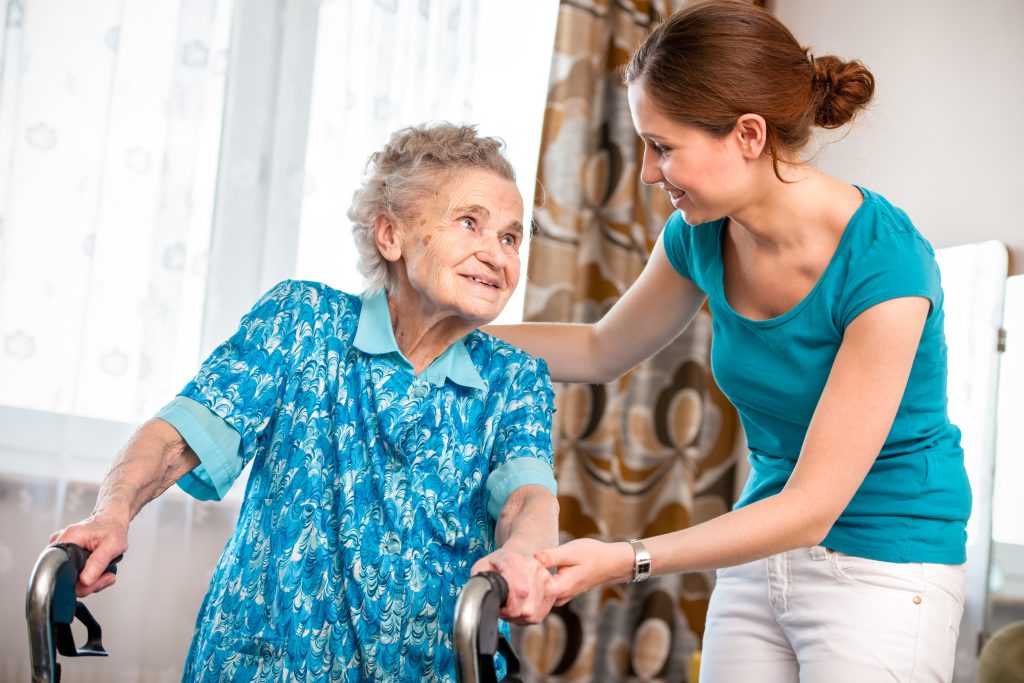
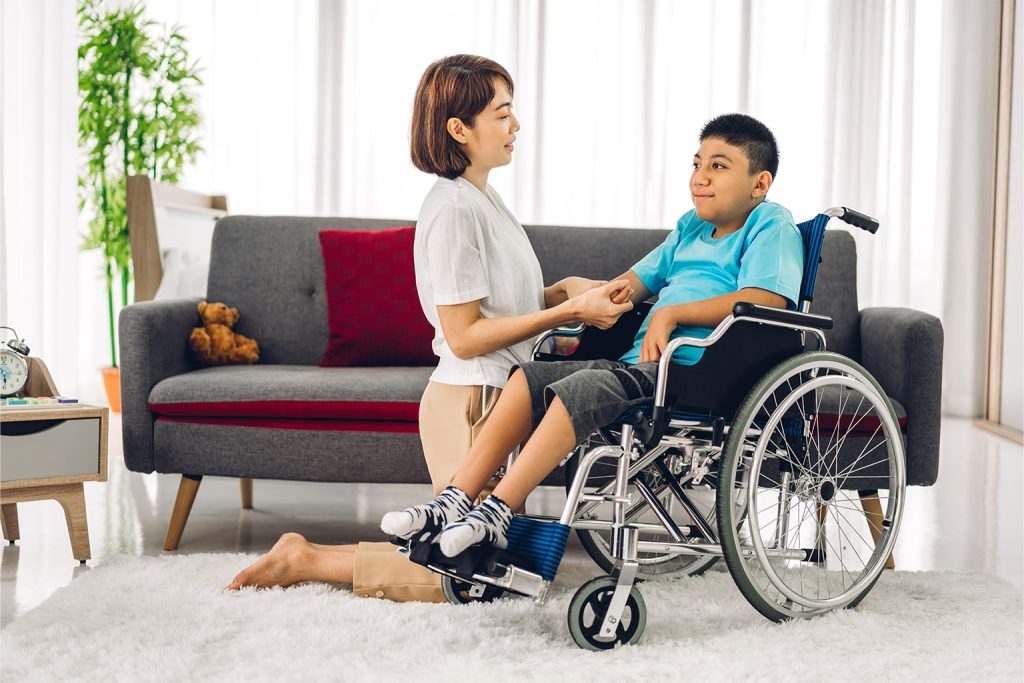
- Mobility Assistance: Helping with transfers (e.g., from bed to wheelchair), and using mobility aids like wheelchairs, walkers, or braces.
- Household Tasks: Support with cooking, cleaning, and other household chores to maintain a safe and clean living environment.

Social and Recreational Support
- Community Integration: Encouraging and facilitating participation in social, recreational, and community activities.
- Vocational Rehabilitation: Support for returning to work or finding new employment opportunities, including job training and adaptations.
- Leisure Activities: Planning and supporting engagement in hobbies and leisure activities that the individual enjoys.
Coordination of Care
- Care Planning: Developing and regularly updating a comprehensive care plan tailored to the individual’s needs.
- Multidisciplinary Team: Coordinating with a team of healthcare professionals, including doctors, nurses, therapists, and social workers.
- Case Management: Having a case manager to oversee the care plan, coordinate services, and advocate for the patient’s needs.

Community Access
- Locate local community centres, libraries, and recreational facilities.
- Compile a list of support groups and social clubs that align with the individual’s interests.Arrange accessible
- transportation options like community shuttles, ride-sharing services, or volunteer drivers.Facilitate attendance at local events such as fairs, festivals, and community gatherings.
- Encourage participation in hobby or interest-based groups (e.g., book clubs, art classes, sports teams).
- Partner with local schools and colleges for access to adult education programs.
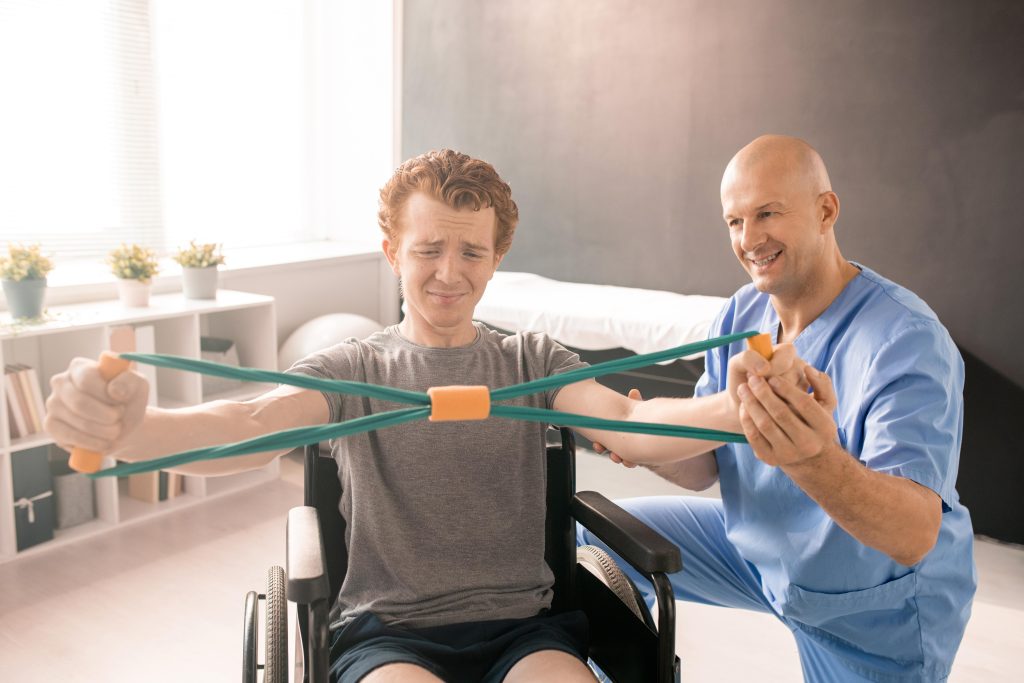
Rehabilitation Assistance
- Conduct comprehensive assessments to understand the individual’s rehabilitation needs and capabilities.
- Collaborate with healthcare professionals to set realistic and personalised rehabilitation goals.Develop individualised care plans that include specific rehabilitation activities and exercises.
- Coordinate with physical therapists to provide in-home exercises and routines to improve mobility, strength, and balance.
- Ensure proper use of any required assistive devices such as walkers, canes, or wheelchairs.Assist with activities of daily living (ADLs) such as dressing, grooming, and meal preparation to promote independence.

Care In Your Home
- Tailored Care Plans: We create personalised care plans based on individual needs, ensuring each client receives the specific support they require in the comfort of their own home.
- Compassionate Caregivers: Our caregivers are not only highly trained but also chosen for their compassionate nature, providing empathetic and respectful care.
- 24/7 Availability: We offer round-the-clock care, with caregivers available 24/7 to assist with any needs, providing peace of mind for both clients and their families.
- Holistic Approach: Our care focuses on the overall well-being of the client, addressing physical, emotional, and social needs to enhance quality of life.
- Safe and Comfortable Environment: We ensure that clients can live safely and comfortably in their own homes, with assistance in daily activities like bathing, dressing, and meal preparation.
- Medication Management: Our caregivers assist with medication reminders and management, ensuring clients adhere to their prescribed routines.
- Respite Care: We provide temporary relief for family caregivers, allowing them to rest while knowing their loved ones are in safe hands.
- Rehabilitation Support: For clients recovering from surgery or illness, we offer rehabilitation support to help them regain independence.
- Continuity of Care: We emphasize consistent caregiving, assigning a dedicated team to each client to build trust and familiarity.
- Companionship Services: Beyond physical care, we offer companionship to reduce feelings of isolation and loneliness, engaging clients in meaningful activities.
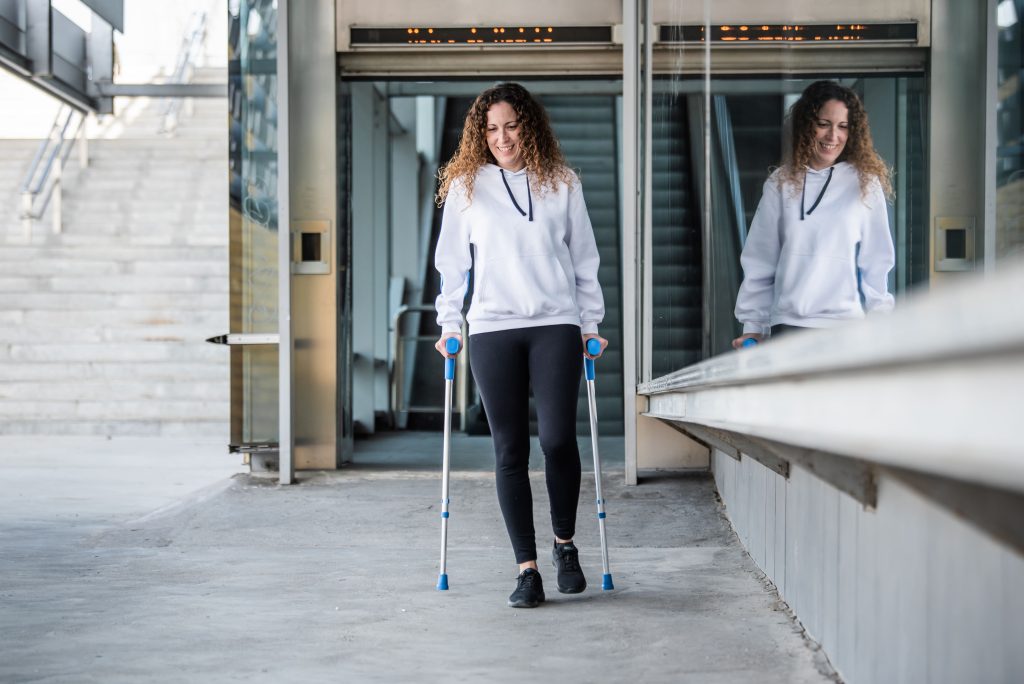
- Mobility Assistance: Our caregivers help with mobility around the home, ensuring clients can move safely and confidently.
- Home Adaptation Advice: We provide guidance on home modifications to improve accessibility and safety for clients with mobility challenges.
- Regular Assessments: We conduct ongoing assessments to adjust care plans as needs change, ensuring clients receive the most appropriate care over time.
- Family Involvement: We work closely with families, keeping them informed and involved in their loved one’s care, ensuring a collaborative approach.